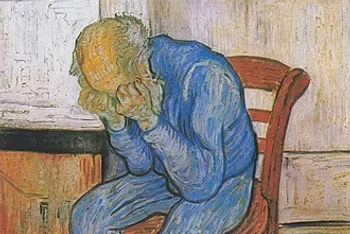


If you meet someone without a smile, give them one of yours
Darwin’s theory of evolution by natural selection states that our biological mechanism are programmed for SURVIVAL and REPRODUCTION. Our emotions both positive and negative help us in continuance. Negative emotions such as fear keep us away from danger. Positive emotions such as Joy experienced on having good food and sex aids in our GROWTH.
BALANCE IN POSITIVITY
Positive emotions maintain balance -a state of HOMEOSTASIS in our body. Negative emotions throw us out of balance or on a survival mode to fight the actual or perceived enemy.
PERCEIVED DANGER
Negative emotions such as fear and anxiety were very relevant in Primitive Times when there was actual danger to our lives on a day to day basis. But in today’s time we are not in any immediate danger. In most of the cases the danger is perceived. We are letting the distressing emotions overtake our biology.
LEARNING FROM NATURE

We have all seen colourful birds dance and sing to attract mates. The dance and song routine helps the birds to relax together. This behaviour of the birds is not inbuilt but a learned behaviour. The birds start practising their mating dance and song ritual very early in life to showcase they are healthy and will prove to be a good mate. We as human being showcase our health -mental and physical by being happy. This very important emotion helps us form MEANINGFUL SOCIAL BONDS.
Happiness primarily increases the neurotransmitter DOPAMINE which makes us more
1. Energetic
2. Motivated
3. Focused
We have seen it is natural to have emotions both positive and negative but it is upon us to choose which emotions we nurture and develop. It is something like developing a hobby.
GAUTAMA BUDDHA developed positive emotions. We perceive them as PEACE and CONTENTMENT.
MOTHER TERESA received the ‘Nobel Peace Prize’ for work undertaken to overcome poverty and distress. She also chose to develop positive emotions. We perceive it as CARE and LOVE.
DEVELOPING positive emotions is in OUR HAND
1. 50 percent of our happiness depends on our genes and circumstances.
2. 50 percent depends on our daily activities.
HOW TO ACHIEVE HAPPINESS?
1st step –
Fulfillment of basic needs food ,water and shelter
2nd step –
Once we’re welI-fed, have a home we strive to fulfill our need for freedom and law and order
3rd step –
Our third need is love, support and care. The more we give the more we receive.
4th step –
Our fourth need deals with reaching our full- potential. Those who are able to combine their work and passion are the happiest.
5th step –
Our fifth need is to search for meaning of our lives. We can achieve this need by giving back to the community through following ways
1. Taking care of our children, grandchildren, elders
2. Working for the underprivileged
3. Spirituality
4. Having a strong sense of ethics
5. By lending a helping hand to those in need
6. Practising selfless-ness
MEDITATION-HELPS
1. Practicing gratitude meditation
2. Practicing mindfulness
DISTRACTING YOURSELF FROM NEGATIVE EMOTIONS
1. Reading a book
2. Going out for dinner
3. Spending time with family
4. Listening to music
5. Painting
6. Singing
7. Playing
8. Picking up the phone and talking
9. Watching a good movie
10. Spending time outdoors
I am sharing the link of the video by Raymond Tang which I thought was very interesting and might interest you too. It talks about an interesting concept – Philosophy of water – inculcating it in ones life can bring humbleness.